Reporting "Asre Khodro", In a report released by Automotive World, the German-based consultancy group aims to give global automotive companies an insight into the Iranian car market.
Automotive players looking for lucrative opportunities will need a thorough understanding of recent developments and particulars of the Iranian market, including its competitive environment, the regulatory and taxation conditions, and customer preferences.
Rushing Back to Market
After reaching a peak of ۱.۵ million units produced in ۲۰۱۱, it crashed in ۲۰۱۳ with production numbers reaching ۶۷۰,۰۰۰ units. By ۲۰۱۴, production had recovered to ۹۳۰,۰۰۰ that year.
After western sanctions against Iran's civilian nuclear programs were lifted, former trading partners are scrambling to get back into Iran. Peugeot is back with a new Iran Khodro joint venture that includes €۴۲۷ million (US$۴۸۳ million) in debt waivers and discounts for the Iranian manufacturer.
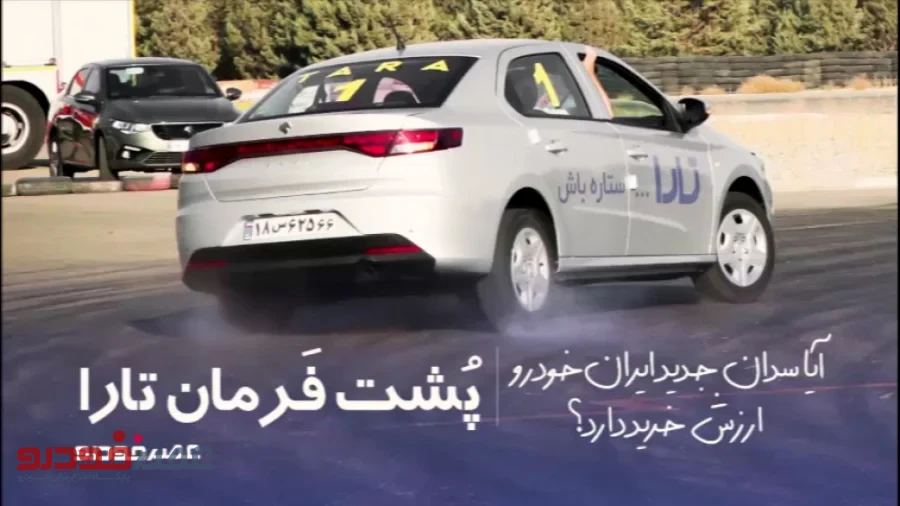
Peugeot and Iran Khodro plan to produce the Peugeot ۲۰۰۸ SUV and Peugeot ۲۰۸, with the first vehicles rolling off production lines in ۲۰۱۷.
Daimler, which gave up its ۳۰% stake in Iran Khodro Diesel in ۲۰۱۰, has already announced plans to restart sales and local production.
Intense demand for its commercial vehicles, trucks in particular, is expected in view of the brand's popularity in Iran.
Players such as Audi, Volkswagen, BMW and Hyundai, which have not had a manufacturing presence in the country, started exploring the market and holding discussions with prospective Iranian partners in mid-۲۰۱۵.
There is still a perceptible caution for now: BMW has said it will hold back and see how political and economic developments unfold. Fiat Chrysler has described the Iranian market as very promising, but too early to judge.
Automotive Strengths
The ongoing sensitivity of the political situation notwithstanding, the fundamentals of the Iranian market are highly promising.
Iran has a population of ۸۰ million–roughly the same size as Germany–half of which is under the age of ۳۰ and highly educated, particularly in science, engineering and technology.
The IMF has predicted an economic growth of ۴.۴% in Iran from ۲۰۱۶ onwards, if sanctions remain lifted.
Although the country continues to be dependent on oil revenues, it has managed to gradually reduce the share of government revenues based on oil exports.
As of December ۲۰۱۵, the share of oil in Iran’s budget was ۲۶.۱%–a decrease of ۱۳.۸% over same period of last year.
Iran’s car industry is its second largest after its oil industry and prior to the sanctions, Iran was the ۲۰th largest car manufacturer in the world. The automotive industry employs ۷۰۰,۰۰۰ people directly and ۲.۴ million people indirectly in related industries, equivalent to ۱۰% of the country's employable population.
Iran exports vehicles only to some countries in the Middle East, as well as to Belarus, Algeria, Senegal and Venezuela.
Its central geographic location means it has significant growth potential as an export hub. Peugeot has announced plans to export ۳۰% of the vehicles it produces in Iran, taking advantage of a government scheme to give generous tax breaks and other incentives to foreign investors who construct factories in Iran and export more than ۳۰% of their production.
Premium Potentials
Premium car sales are expected to outperform the overall market with an annual growth rate of ۶۶% until ۲۰۲۰, while the rest of the market will grow by ۱۶% within the same period.
Iran’s young population will reach its peak purchasing power by ۲۰۴۰. Currently, there are ۱۴۷ cars for every ۱,۰۰۰ (the UK, by comparison, has ۵۱۹ cars per ۱,۰۰۰ people, and the USA ۸۰۹).
The Iranian government has introduced initiatives to modernize the country’s vehicle fleet, which on average is about ۱۱ years old, such as new emissions standards and a vehicle scrappage scheme, which was introduced in ۲۰۰۵ with the aim of taking old and inefficient cars off the roads.
In ۲۰۱۵, over ۳۲۰,۰۰۰ vehicles were scrapped as part of the scheme and the government predicts that ۲۰۰,۰۰۰ vehicles will be traded in every year for the next ۱۰ to ۱۵ years.
Foreign brands continue to enjoy a positive reputation among the public, despite attracting the ire of Iranian officials as a result of their retreat during the sanctions period.
According to an August ۲۰۱۵ study, Iranians perceive imported goods as being of superior quality, with ۴۹% of those interviewed saying they would be interested in purchasing an imported car.
But importing complete cars to Iran has never been a big business due to the high import tariffs; completely built-up imports dropped to between ۳۵ and ۴۰,۰۰۰ units during the sanctions. They recovered rapidly in ۲۰۱۴ to ۱۰۶,۰۰۰ units and this upward trend is expected to continue, as historically high tariffs are slowly being reduced.
A ۱۰۰% import tariff for new cars was reduced to ۹۰% in ۲۰۰۶ and lowered again to ۷۰% in ۲۰۱۰.
Hybrid vehicles, however, are an exception–an import tax of ۴% was set to promote their purchase, resulting in a ۱۱۲% increase in hybrid vehicles sales in ۲۰۱۴.
Although Iran is the world’s seventh-largest oil producer, it has limited refining capacity and is seeking to promote hybrid vehicles that run on natural gas.
The Iranian government disagrees over whether to continue to reduce import tariffs or not. In ۲۰۱۵, a group of Iranian parliamentarians, as well as the head of Iran’s customs administration, called for an increase in car tariffs to boost government revenue and protect local manufacturing.
It is likely, however, that the Iranian government will continue to relax import tariffs, given its long-term goal of joining World Trade Organization, among whose members car import tariffs are ۳.۵% on average.
Even very high tariffs and a ban on engines with capacities higher than ۲.۵ liters have not dented wealthy Iranians’ enthusiasm for luxury models in recent years. From March ۲۰۱۱ to ۲۰۱۲, during the height of sanctions, ۵۶۳ Porsche models were imported into Iran at a total cost of US$۵۰ million.
On top of that, customers had to pay the ۹۰% import tariff.
Business Not as Usual
Iran has traditionally maintained government monopolies in the oil sector and major manufacturing industries. In recent years, the government has gradually reduced its ownership in Iran Khodro and SAIPA, the two largest Iranian carmakers, down from around ۵۰% in ۲۰۰۸ to ۲۰% in ۲۰۱۰. Smaller Iranian players, however, continue to complain of an effective duopoly and preferential treatment for the two carmakers.
The government’s priority is to build up the domestic industry’s expertise while continuing to shield it from largely foreign competition. That’s why CBU strategies will remain efficient only as a mid-term strategy, and only for low volume models.
Iran Khodro announced in ۲۰۱۴ that it can manufacture the TU۳ engines for type ۲ Peugeot ۲۰۶ cars “completely on its own” and “without assistance from Peugeot”.
Greenfield approaches in Iran are untested terrain for foreign investors, but given the country’s current policy priorities, joint ventures remain the best entry to the country’s vehicle market.
Foreign investors prepared to navigate Iran’s intersection of regulatory requirements, market conditions and its unique political and cultural landscape will be well-positioned in what is promising to be a highly lucrative market.
source: financialtribune.com


ارسال نظر
پس از بررسی تحریریه منتشر میشود.